Here we are at the dawning of a new year, which for me means it’s time to post an update on my reading over the last year. For my previous lists, you can see them here: 2019, 2018, 2017, and 2016. It’s hard to believe this is my fifth reading list!
| Title | Author | Date Completed | Pages | |
| 1 | Creative Calling | Chase Jarvis | 22-Jan | 304 |
| 2 | The Age of Surveillance Capitalism | Shoshana Zuboff | 25-Jan | 704 |
| 3 | Animal Farm | George Orwell | 27-Jan | 112 |
| 4 | Alexander Hamilton | Ron Chernow | 02-Feb | 818 |
| 5 | Range | David Epstein | 12-Feb | 352 |
| 6 | The Bookshop on the Corner | Jenny Colgan | 29-Feb | 384 |
| 7 | Call Sign Chaos | Jim Mattis | 12-Mar | 320 |
| 8 | The Hitchhiker’s Guide to the Galaxy | Douglas Adams | 19-Mar | 208 |
| 9 | The Alchemist | Paulo Coelho | 22-Mar | 208 |
| 10 | Guns, Germs, and Steel | Jared Diamond | 06-Apr | 496 |
| 11 | Upstream | Dan Heath | 16-May | 320 |
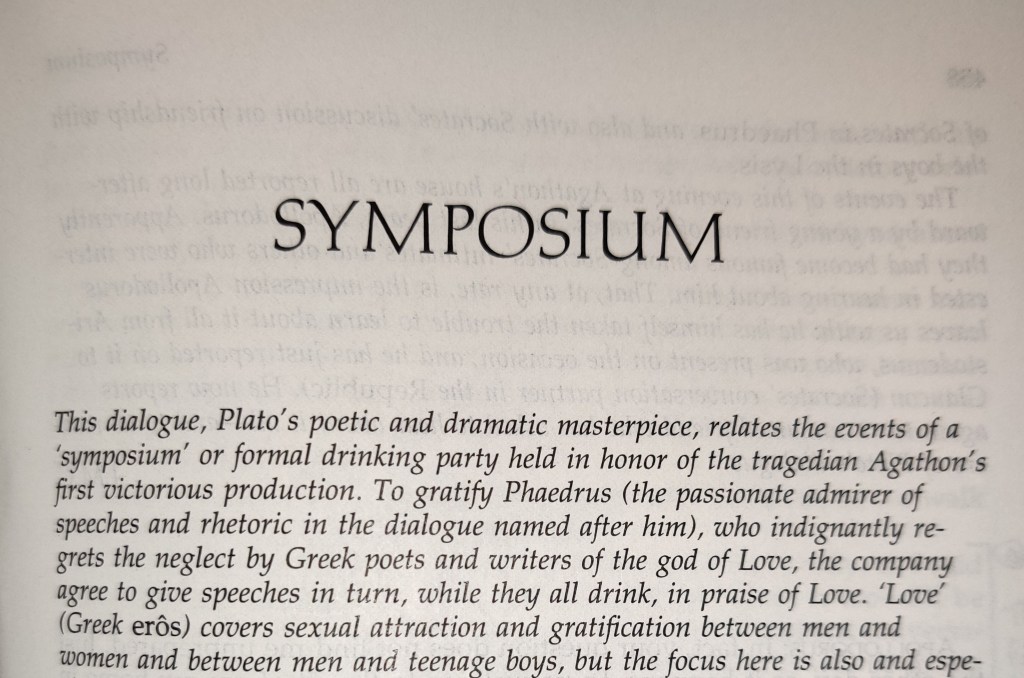
| 12 | Symposium | Plato | 18-May | 144 |
| 13 | Gulliver’s Travels | Jonathan Swift | 25-May | 432 |
| 14 | Anything You Want | Derek Sivers | 11-Jun | 96 |
| 15 | Extreme Ownership | Jocko Willink & Leif Babin | 18-Jun | 384 |
| 16 | The Code. The Evaluation. The Protocols | Jocko Willink | 23-Jun | 93 |
| 17 | How Will You Measure Your Life | Clayton M. Christensen | 28-Jun | 236 |
| 18 | The Last Wish | Andrzej Sapkowski | 05-Jul | 384 |
| 19 | The Expectant Father | Armin A. Brott & Jennifer Ash | 06-Jul | 336 |
| 20 | The Coaching Habit | Michael Bungay Stanier | 14-Jul | 234 |
| 21 | The Immortal Life of Henrietta Lacks | Rebecca Skloot | 23-Jul | 400 |
| 22 | Working | Robert A. Caro | 08-Sep | 240 |
| 23 | Crime and Punishment | Fyodor Dostoyevsky | 15-Sep | 544 |
| 24 | Every Tool’s A Hammer | Adam Savage | 18-Sep | 320 |
| 25 | Love Sense | Dr. Sue Johnson | 20-Sep | 352 |
| 26 | Natural | Alan Levinovitz | 22-Sep | 264 |
| 27 | The Kite Runner | Khaled Hosseini | 06-Oct | 363 |
| 28 | My Own Words | Ruth Bader Ginsburg | 10-Oct | 400 |
| 29 | Kitchen Confidential | Anthony Bourdain | 20-Oct | 384 |
| 30 | Stillness is the Key | Ryan Holiday | 06-Nov | 288 |
| 31 | The Oxford Inklings | Colin Duriez | 07-Nov | 276 |
| 32 | The Infinite Game | Simon Sinek | 14-Nov | 272 |
| 33 | The Ride of a Lifetime | Robert Iger | 21-Nov | 272 |
| 34 | As a Man Thinketh & From Poverty to Power | James Allen | 26-Nov | 182 |
| 35 | Medium Raw | Anthony Bourdain | 06-Dec | 320 |
| 36 | A Christmas Carol | Charles Dickens | 06-Dec | 112 |
| 37 | The Little Book of Hygge | Meik Wiking | 12-Dec | 288 |
| 38 | Nicomachean Ethics | Aristotle | 30-Dec | 400 |
| Total | 12242 |
Overall, I’m happy with how the year went for reading. In reviewing the list, a few things stood out to me. First is that I surpassed my total books read for the year over 2019 by 13 entries. While we can certainly have a discussion about the merits issues of using the number of books read as an accurate key performance indicator of comprehension or progress, it was nice to see that I stepped things up a bit. I was fairly consistent in making my way through the books, with only a dip in April (likely because of the life-adjustment that came from working from home) and the silence seen from mid-July to the start of September thanks to the birth of our son in early-August.
I’m also happy to see that I read fewer self-help and business books last year and instead dove into more fiction, memoirs, and books about history. In my previous roundup, I had commented about wanting to be more intentional with my reading after feeling burnt out on certain genres of books.
One significant change in my reading habits this past year was that I joined a reading group/book club. A friend organized it just as things went into lockdown in March. We meet online every few weeks to discuss books selected in a rotation by the group. I commented earlier that I read 13 more books this year than last, and I’d attribute the book club to being the single biggest reason for the boost in completions (we cleared 12 by year’s end). Here are the books that we read:
- Call Sign Chaos by Jim Mattis
- Symposium by Plato
- Gulliver’s Travels by Jonathan Swift
- How Will You Measure Your Life by Clayton M. Christensen
- The Immortal Life of Henrietta Lacks by Rebecca Skloot
- Crime and Punishment by Fyodor Dostoyevsky
- The Kite Runner by Khaled Hosseini
- Kitchen Confidential by Anthony Bourdain
- The Oxford Inklings by Colin Duriez
- As a Man Thinketh & From Poverty to Power by James Allen
- A Christmas Carol by Charles Dickens
- Nicomachean Ethics by Aristotle (finished in the final days, though we haven’t met to discuss it yet.
I’d normally create a separate post about my top reads for the year, but I’ll include it here for simplicity. In chronological order of when I finished, my top 5 reads of the year are:
- Alexander Hamilton by Ron Chernow (among my top reads ever; I was fortunate to see the stage play before the shutdown in March)
- Call Sign Chaos by Jim Mattis (the first book I chose for the book club; I was struck by how Mattis talks about self-education and reflection)
- The Expectant Father by Armin A. Brott & Jennifer Ash (since we were expecting this year, this book was a nice roadmap to know what to expect, and it provided some comfort along the way)
- The Immortal Life of Henrietta Lacks by Rebecca Skloot (I recommend everyone read this book; it reminds me of the important work we do on the research ethics boards I sit on, and why we must be critical of research)
- My Own Words by Ruth Bader Ginsberg (I started this collection of writings and speeches before RBG died, and was sadly reminded after finishing of what we lost in her death).
This was a pretty good year for reading. It felt good to get lost in more fiction, and I’ll have things to say in the future about the value I’m finding in reading as part of a group. In the meantime, Happy New Year, and it’s time to keep tackling my reading backlog.
Stay Awesome,
Ryan


 A Paramedic's Notebook